Cornwall, England, United Kingdom
A high level overview for Cornwall, England, United Kingdom
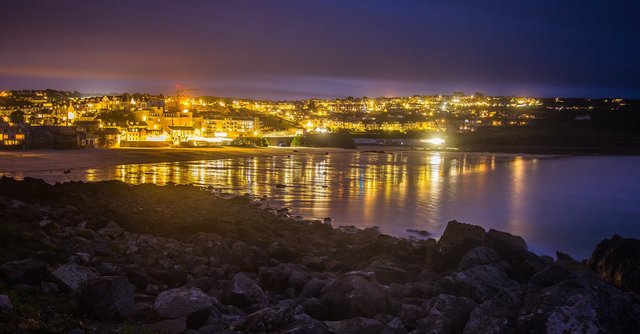
Image: Beautiful night view of St Ives Bay, Cornwall with reflections on the water. (Pixabay on Pexels)
Destination Summary Panel
- Crowd Size: Busy, especially at peak times and major sites.
- Cost: Average prices; mid-range budgets fit.
- Safety: Very safe; incidents are rare.
- Public Transport: Limited network; delays common.
- Accessibility: Key sights have basic accommodations.
- Wi-Fi Quality: Good speeds for calls and streaming.
- Walkability: Walkable hubs; transport needed for outlying areas.
- Recommended stay length: 3-7 days
- Oceanic: Mild with regular rainfall.
- Primary language: English
Tags: Coastal, Beaches, Surfing, Scenery, History, Pasty, Family-friendly, English Heritage
Best Time to Visit
- Late spring (May-June) offers pleasant weather, fewer crowds, and blooming gardens, perfect for coastal walks and exploring towns.
- Summer (July-August) provides the warmest temperatures and best beach weather, though popular areas will be very crowded.
- Early autumn (September-October) features mild weather and colourful landscapes, ideal for surfing and enjoying quieter attractions.
Costs
- Overall, Cornwall is a mid-range destination, with costs rising significantly during the peak summer season for accommodation.
- Accommodation prices vary widely from budget campsites to luxury boutique hotels and self-catering cottages.
- Dining out can be expensive, especially in popular coastal towns, but fresh local produce is readily available for self-catering.
- Many natural attractions like beaches and coastal paths are free, helping to manage daily expenses.
Weather
- Spring (March-May) is generally mild with average temperatures of 8-12°C, increasing sunshine, and occasional rain showers.
- Summer (June-August) is warm and sunny with temperatures typically ranging from 16-20°C, perfect for beach activities, though sea breezes are common.
- Autumn (September-November) brings cooler temperatures of 10-15°C, increasing rainfall, and windy conditions, especially along the coast.
- Winter (December-February) is mild for the UK, averaging 5-8°C, often wet and windy with shorter daylight hours, making it ideal for cosy pub visits.
Getting Around
- A car is highly recommended for exploring Cornwall's rural beauty, allowing access to hidden coves and villages.
- Public bus services connect major towns and some villages, but routes can be infrequent, especially in remote areas.
- Limited train lines run along the coast, offering scenic journeys to specific destinations like St Ives and Penzance.
- Cycling is popular along designated trails and quieter roads, but be prepared for hilly terrain.
Tips
- Indulge in a traditional Cornish pasty, ensuring it has the crimped crust on the side and a proper meat and vegetable filling.
- Explore the South West Coast Path for stunning clifftop walks and breathtaking views of the rugged coastline.
- Book popular accommodations, restaurants, and attractions well in advance, especially during school holidays and summer.
- Visit smaller fishing villages like Mousehole or Polperro for an authentic taste of Cornish life away from the main tourist hubs.
- Check tidal times if visiting beaches or tidal islands like St. Michael's Mount to avoid being cut off.
Attractions
- The Eden Project - Explore the world's largest indoor rainforest and Mediterranean biomes, showcasing incredible plant diversity.
- St. Michael's Mount - Visit this iconic tidal island with a medieval castle, beautiful gardens, and stunning views.
- Land's End - Stand at the westernmost point of mainland England and enjoy dramatic cliffs and panoramic ocean vistas.
- Tate St Ives - Discover modern and contemporary art in a beautiful seaside gallery overlooking Porthmeor Beach.
- Minack Theatre - Experience an open-air theatre carved into granite cliffs with the ocean as its breathtaking backdrop.
- Surfing Beaches (e.g., Newquay) - Enjoy world-class surfing opportunities and vibrant beach towns perfect for water sports enthusiasts.
Culture & Etiquette
- Cornwall has a strong Celtic heritage, distinct from the rest of England, with a revived Cornish language and unique traditions.
- The region's history is deeply rooted in mining and fishing, celebrated in museums and heritage sites across the county.
- Local festivals and events often showcase Cornish music, dance (like the Furry Dance), and storytelling.
- Cornish hospitality is generally warm and welcoming, reflecting a strong sense of community and pride in their identity.
Safety
- Cornwall is generally a very safe destination, but always be aware of your belongings in crowded tourist spots.
- Exercise caution on coastal paths and cliff edges, as surfaces can be uneven and weather can change quickly.
- Observe beach safety flags and warning signs, especially when swimming or participating in water sports, due to strong currents and tides.
- Roads can be narrow and winding, so drive carefully, especially when encountering oncoming traffic on single-track lanes.
Accessibility
- Many popular attractions like the Eden Project and Tate St Ives offer good accessibility with ramps, lifts, and accessible facilities.
- Some historic sites and smaller villages feature cobbled streets, steep hills, and uneven terrain, which may challenge mobility.
- Specific accessible beaches and coastal paths are available; checking individual venue information beforehand is advised.
- Public transport can be limited for accessibility; pre-booking accessible taxis or hiring a suitable vehicle may be necessary.
Updated: