England at a glance
Getting around
Trains connect the main cities and many smaller towns. For countryside trips, check local bus times before choosing a base. A car gives you more flexibility for scattered villages and places away from railway lines.
Best time to visit
May, June and September are good for country walks and town visits outside the busiest summer holidays. June has the longest days for exploring. July and August are usually warmest, but seaside resorts and popular walking areas can be crowded.
Weather
Weather changes quickly, and rain is possible all year. The south and east are generally warmer and drier than the north and west; the Lake District is particularly wet. Summer can bring hot spells, while winter days are short and upland paths can be icy.
Budget
Accommodation and travel between regions are major costs. Advance rail tickets can save money if you can commit to a particular train; coaches are often cheaper but slower. Many national museums have free entry to their permanent collections.
Highlights
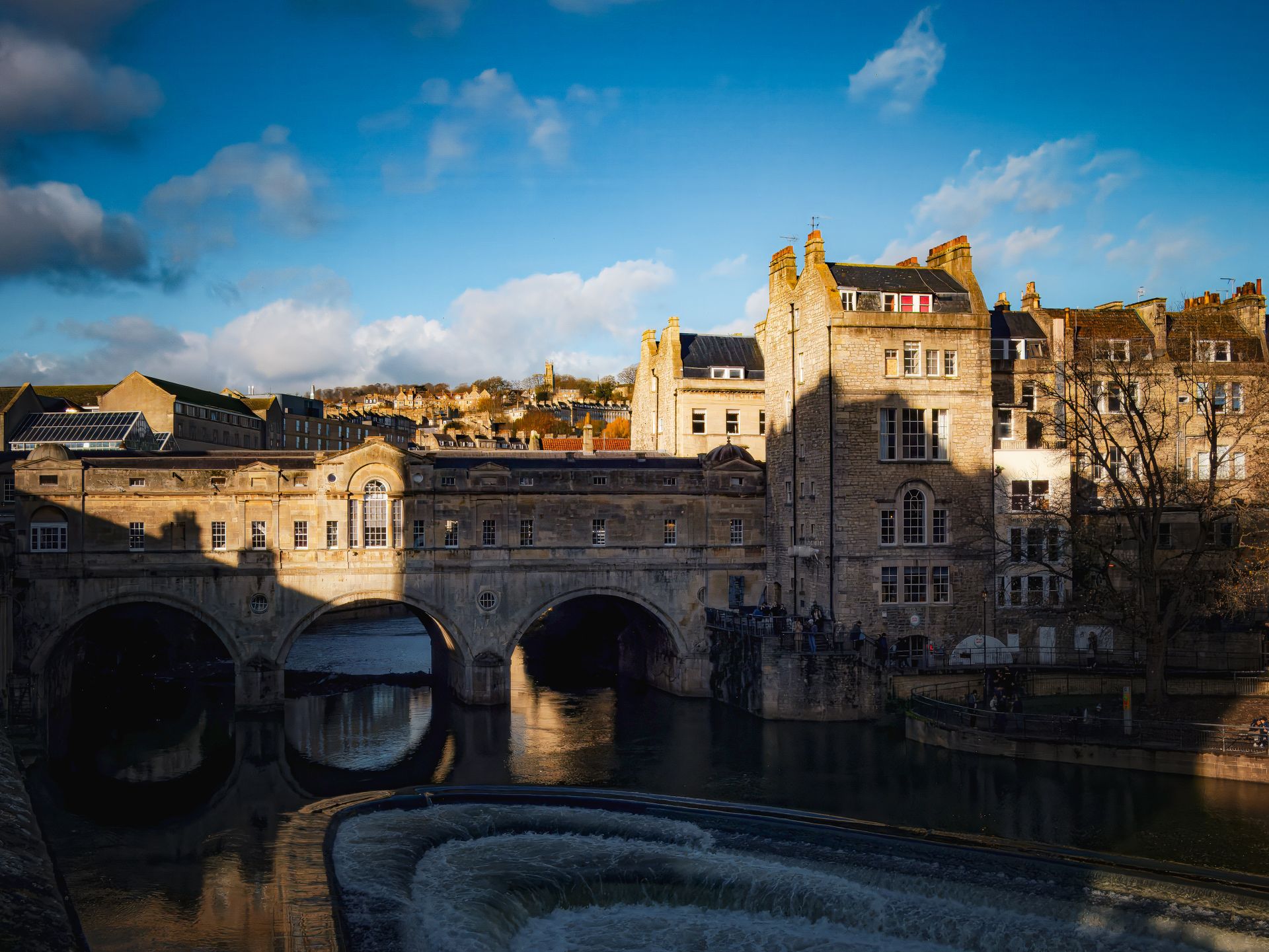
In York you can walk medieval walls; Bath’s Roman baths and Georgian houses show how a spa town grew. The Lake District has lakeside paths and steeper fell walks. Down in Cornwall, plays at the Minack Theatre are staged on a cliff, with the Atlantic as the backdrop.
Safety
At the coast, check tide times before walking along the shore and swim between the red and yellow flags at lifeguarded beaches. For hill walks, carry waterproofs and check the mountain forecast, as conditions can change sharply above the valley.