Porto at a glance
Getting around
Use the metro and buses for longer journeys, then explore individual areas on foot. The metro also runs to the airport. An Andante card works across the main network; validate it before each journey. The metro crosses the upper deck of Luís I Bridge, high above the river.
Best time to visit
May, June and September are good for walking, with warm days and less rain than winter. São João on the night of 23 June brings street parties and fireworks, with people playfully tapping each other with plastic hammers. Expect packed streets and busy hotels.
Weather
Porto's Atlantic weather means wet winters and generally warm, drier summers. Rain is still possible in summer, and evenings near the river or ocean can feel cool. Hot spells do occur, but sea breezes can make the coast feel quite different from inland streets.
Budget
Porto can be affordable, though central hotels and riverfront meals add up. Port lodge visits across the river in Gaia range from a quick tasting to a long guided tour with aged ports, and prices vary just as widely. Cafés and simple restaurants often have good-value lunches.
Highlights
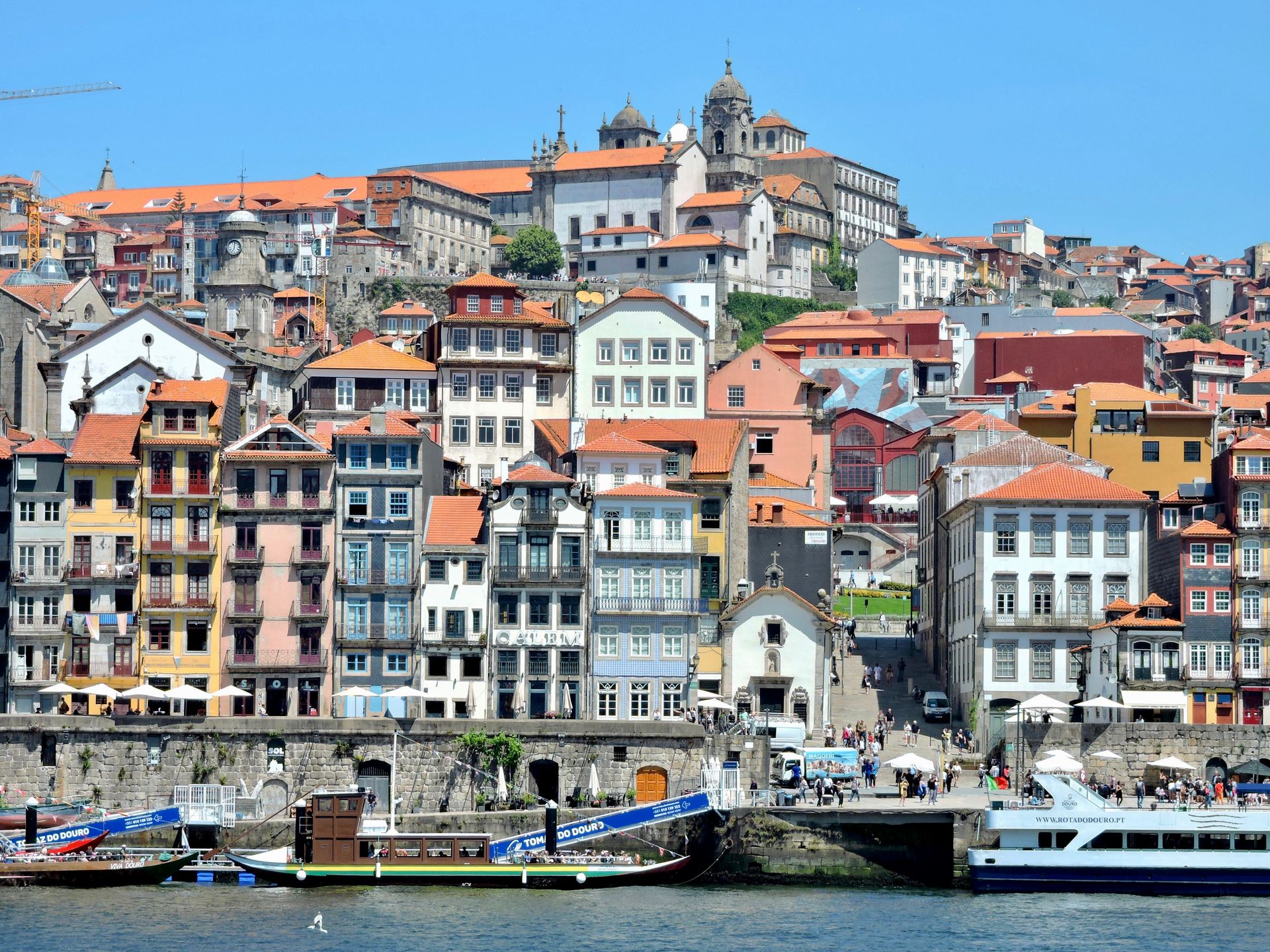
Walk from São Bento's tiled entrance hall down to the riverside Ribeira, then cross to Gaia's port cellars. Beyond the old centre, Serralves has contemporary art, formal gardens and woodland, with a raised walkway taking you through the treetops.
Safety
Pickpockets target busy visitor areas and public transport, so keep bags closed and phones out of back pockets. Porto's steep paving can be slippery after rain. At the Atlantic beaches, follow lifeguards and flags: powerful waves and currents can be dangerous.